What I wish I knew earlier about running injuries
A reflection on running injuries, ignored niggles, difficult diagnoses, and why getting the right answer matters more than endless rehab exercises. “Listening to your body” is often a lot harder than it sounds.
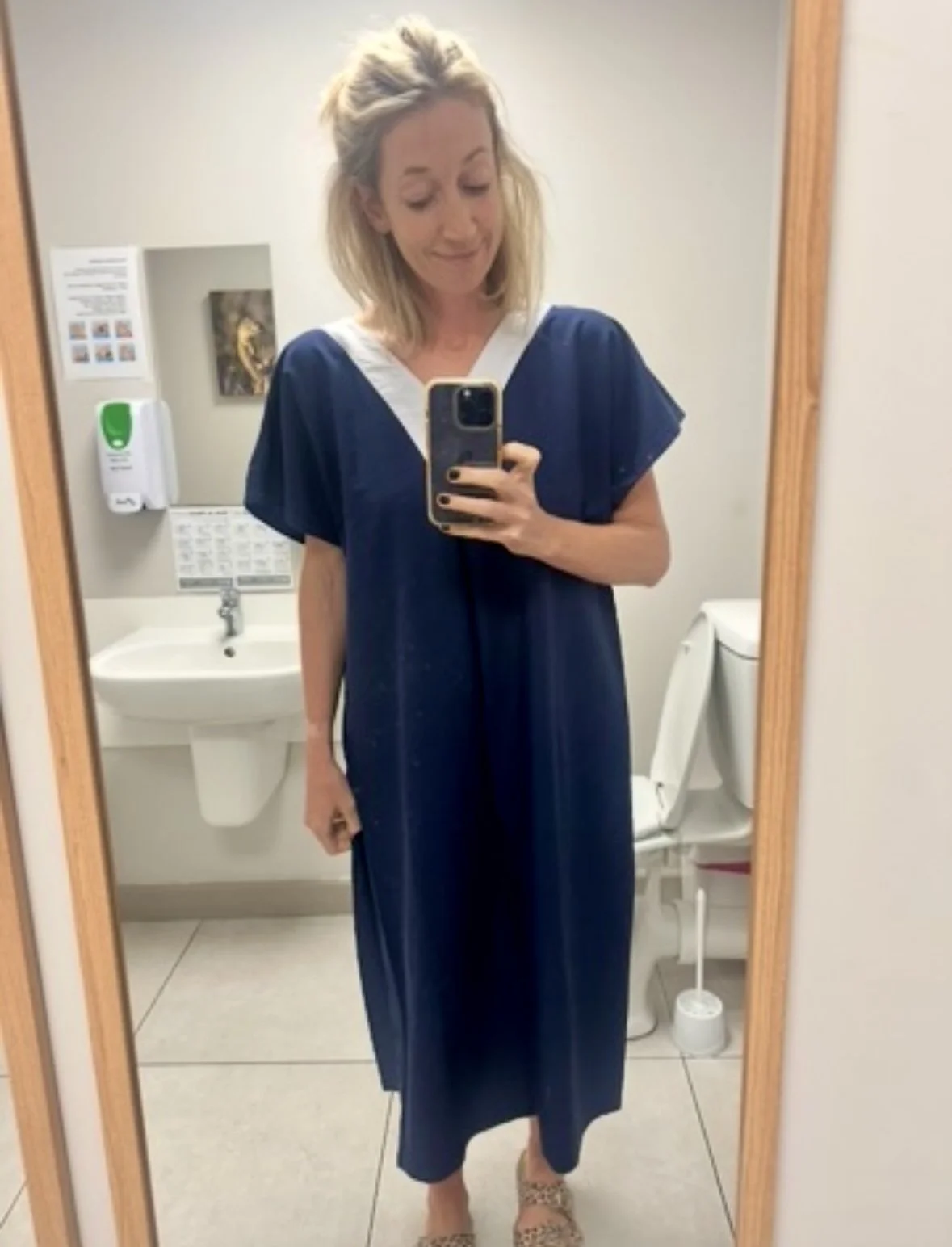

If you're here reading this blog, I presume it's not for leisure reading with a cup of tea (if it is – hi there!). But if it's not, I'm sorry you're in this situation.
Let me start off by saying that injuries are hard. As runners, I suppose it's a numbers game – the more you run, or the longer you’re in the sport, the higher the likelihood that you might get injured. Not always because of overtraining, either – injuries also happen from totally unpredictable accidents, like falls or ankle rolls.
Frog-in-hot-water
In the pursuit of honesty, I'll be transparent.
I was always under the impression that people who get injured are those who don't listen to their bodies. I can now confidently tell you that injured people are absolutely those who don't listen to their bodies. (Excluding the accidentals.) But, it’s nuanced.
When you're in the trenches prepping for a big goal, there's generally always some pain or achiness somewhere. Run with it long enough, and you have the perfect frog-in-hot-water situation – you get so used to it that you don't really tell anyone about it. Fast forward 4 - 12 weeks, and the achiness turned into something that “warms up when you run” and from there into a limp. Urgh.
I was wholly convinced my hip injury was from a fall in October where I had to get my knee stitched up, and then trying to run on a stiff knee after my stitches came out. But it was only around 3 months into my rehab, when I scrolled back through my Strava one evening, that I discovered run descriptions mentioning hip pain as far back as July.
You see, a perfect frog-in-hot-water situation where the hip ache and stiffness I had became background noise, so much so I couldn’t remember it.
The diagnosis dilemma
As runners, I think we tend to deal with niggles lightly, in the hopes that the issue will be as light as we perceive it. And so, when we need to see someone, our first line of attack is to visit a physio (or bio) where we get exercises, we do them, and if the niggle doesn't go away, we do more exercises.
I've now learned that while bios and physios have incredible skill sets, they are not trained to diagnose. (Don't come at me!) They can eliminate and help identify issues, but their main role in the medical decision tree is not as diagnosticians. That lies with doctors. Doctors and specialists give diagnoses, which physios then help treat and manage, and bios develop a strength plan from.
I realise this might be uncomfortable to read. I also wasn't very receptive to it when I first started learning about it, because I've seen some genuinely incredible physios who have helped me tremendously.
Hips are complicated
Hips are notoriously difficult to diagnose. The complexity of the hip structure, the sheer number of tendons, muscles, and bones that all connect or run through it, is pretty astonishing. All of these are nestled deep in the body where you can't feel them by touch, unlike knees or ankles where you can mostly feel the bones and tendons, like the meniscus movement and so on.
And no, the big bone you feel when you “put your hands on your hips” is actually not your hip (or part of the hip we are discussing here). You cannot imagine how surprised I was when they injected the dye for my hip MRI – in my upper thigh / groin.
Back to diagnosis.
It took me exactly seven weeks to get a diagnosis for my hip. By the time I visited a third physio, Juan Carstens, he told me before the end of the first session that he was unable diagnose me, but he was very certain the diagnoses I'd received from the other physios were incorrect. His recommendation was to see a doctor and get scans done. Which is how I ended up at Cape Sports Med, where Dr Lynelle Hoeks did an ultrasound in the room and immediately sent me for an MRI that same week.
(Before continuing, I just want to express my deepest gratitude to Juan Carstens Physio for his expert guidance and support throughout this process. He was on WhatsApp with me the entire way, checking in before and after MRIs, helping me understand the reports, and encouraging me to consult a biokineticist (Lorenzo at Meyer Felton) who I still see weekly.
The cost of the wrong diagnosis
I understand very well the costs involved in seeing a specialist or sports doctor. But take my word for it: the cost of getting the wrong diagnosis and attending physio appointment after physio appointment for weeks on end is far greater than the cost of getting the right answer from a specialist right away. Doctors wont send you for an MRI unnecessarily. In my conversations with people who have also been through injuries who ended up needed MRIs - without exception - everyone said they wished they had just done the MRI in the first place.
Once I got my diagnosis, which was very different from anything I'd received before, the doctor sent me back to the physio and bio to do their work, based on the correct diagnosis.
Final reflections (TLDR part)
I don’t think the lesson here is “panic over every niggle” or “go get an MRI every time something hurts.” Running comes with aches and pains. That’s normal. But I do think there’s value in paying attention to patterns, especially when something quietly becomes part of your normal running life.
Because that’s the tricky thing about overuse injuries: they rarely arrive all at once. They creep in slowly. So slowly, in fact, that your brain starts accommodating them long before you realise there’s a problem.
And perhaps that’s the biggest thing I’ve learned through this process: sometimes “listening to your body” isn’t as straightforward as we make it sound. Sometimes the body just gently nudges you for months before it finally grabs a loudhailer and screams.
If you’re dealing with ongoing hip pain, especially pain that keeps returning no matter how diligently you’re doing rehab exercises, it might be worth pushing a little harder for answers. Not because your physio is bad. Not because rehab doesn’t work. But because treatment only really works once you know what you’re actually treating.
I hope this helps someone feel a little less confused, a little less stubborn, or maybe just slightly more willing to investigate something they’ve been trying to run through for too long.