Sarara Wilderness launch: Selling a safari camp before it existed
Sarara Wilderness, Northern Kenya
In mid-2024, Sarara had a new mobile safari camp to sell and not one photo of it. This is how we marketed it.
THE PROBLEM
A new lodge is a huge capital investment. It has to start earning the day it opens, so it has to start selling months before it's finished building. Agents need photos, rates and a brochure before they'll put it in front of a guest. So how do you sell a camp you can't show yet?
Most lodges fill the gap with generic stock photos. That's a tricky decision, because once those images are on booking platforms and indexed by Google and other search engines, they're very difficult to pull back.
CONTENT THAT LASTS
For the launch of Sarara Wilderness, Sarara’s fourth camp, I made the decision to skip generic safari stock.
Instead, we had a line drawing made of the camp, and it did most of the heavy lifting. Agents and guests could picture the camp straight away. Around it, we told the camp's story: why it was opening, what made it surprising, and what guests could expect. That gave the camp a strong position before a single tent went up.
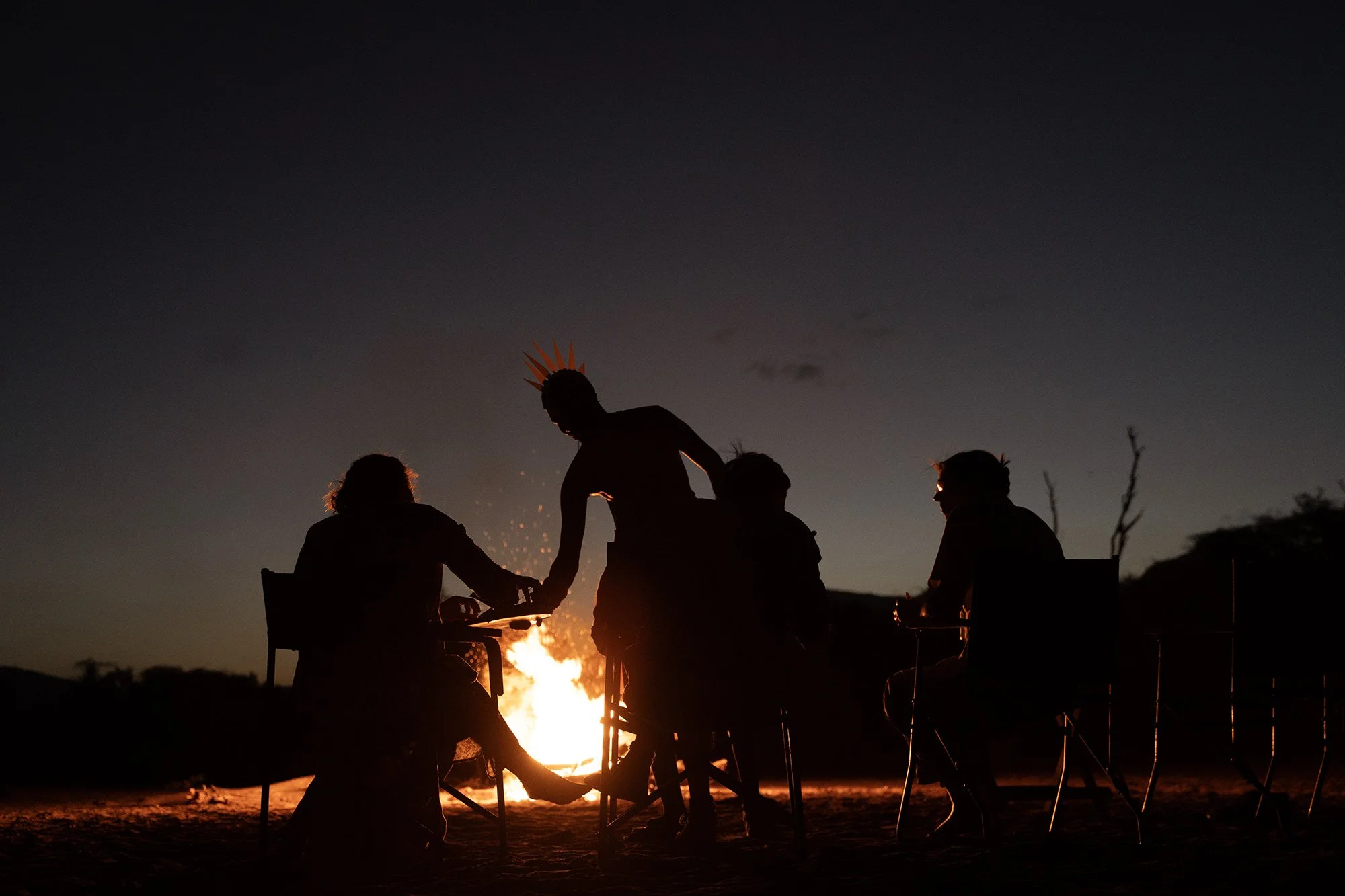
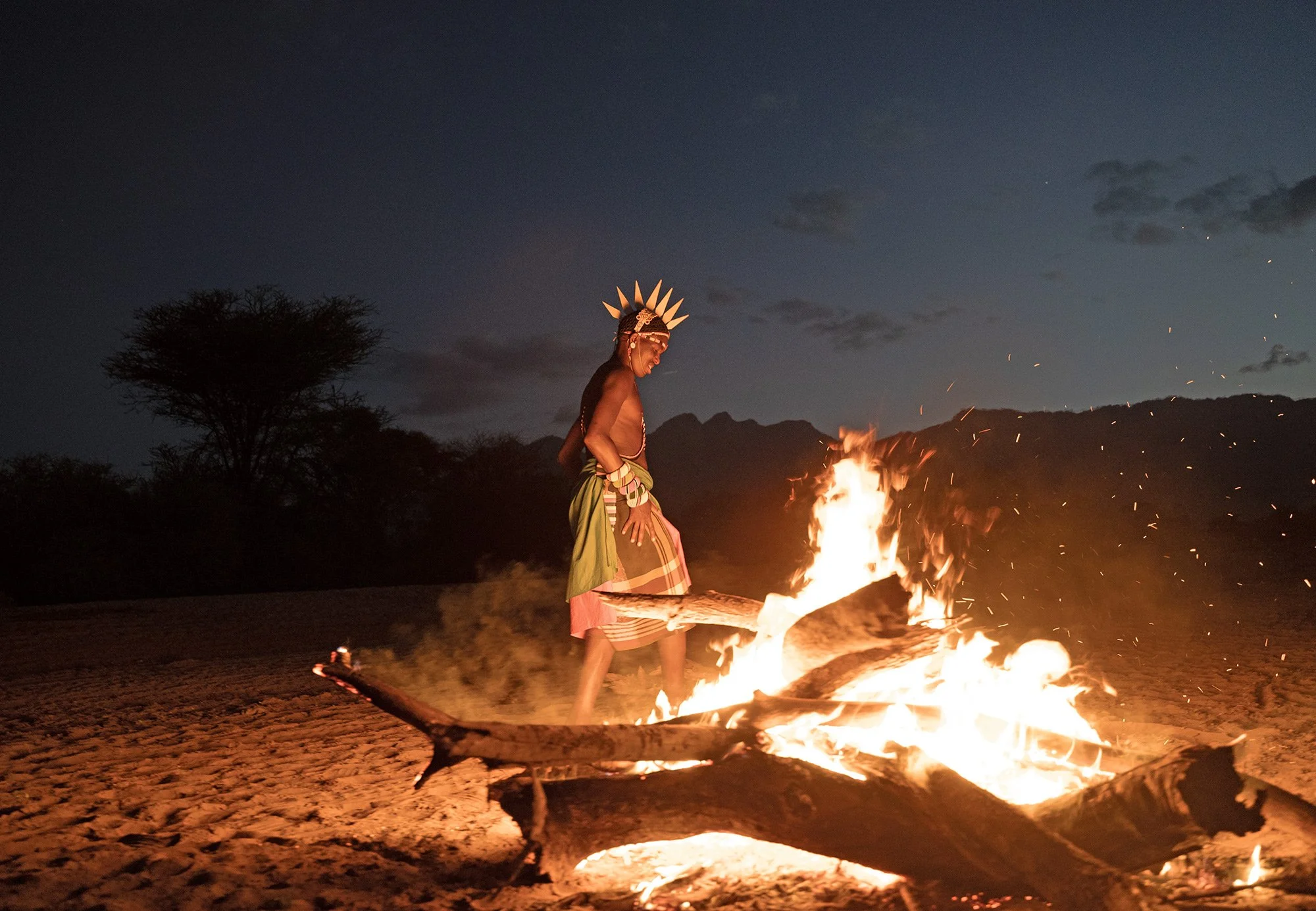
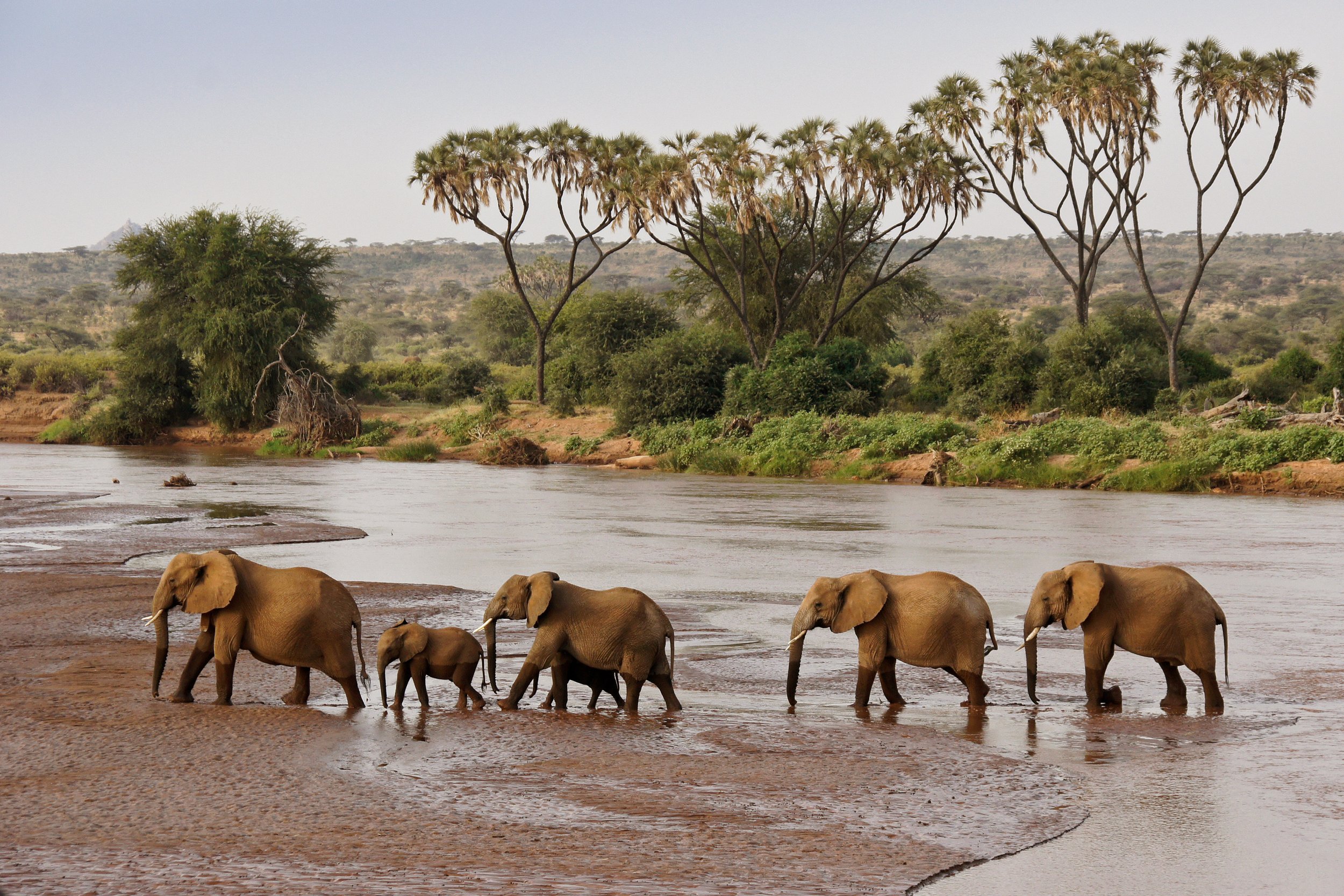
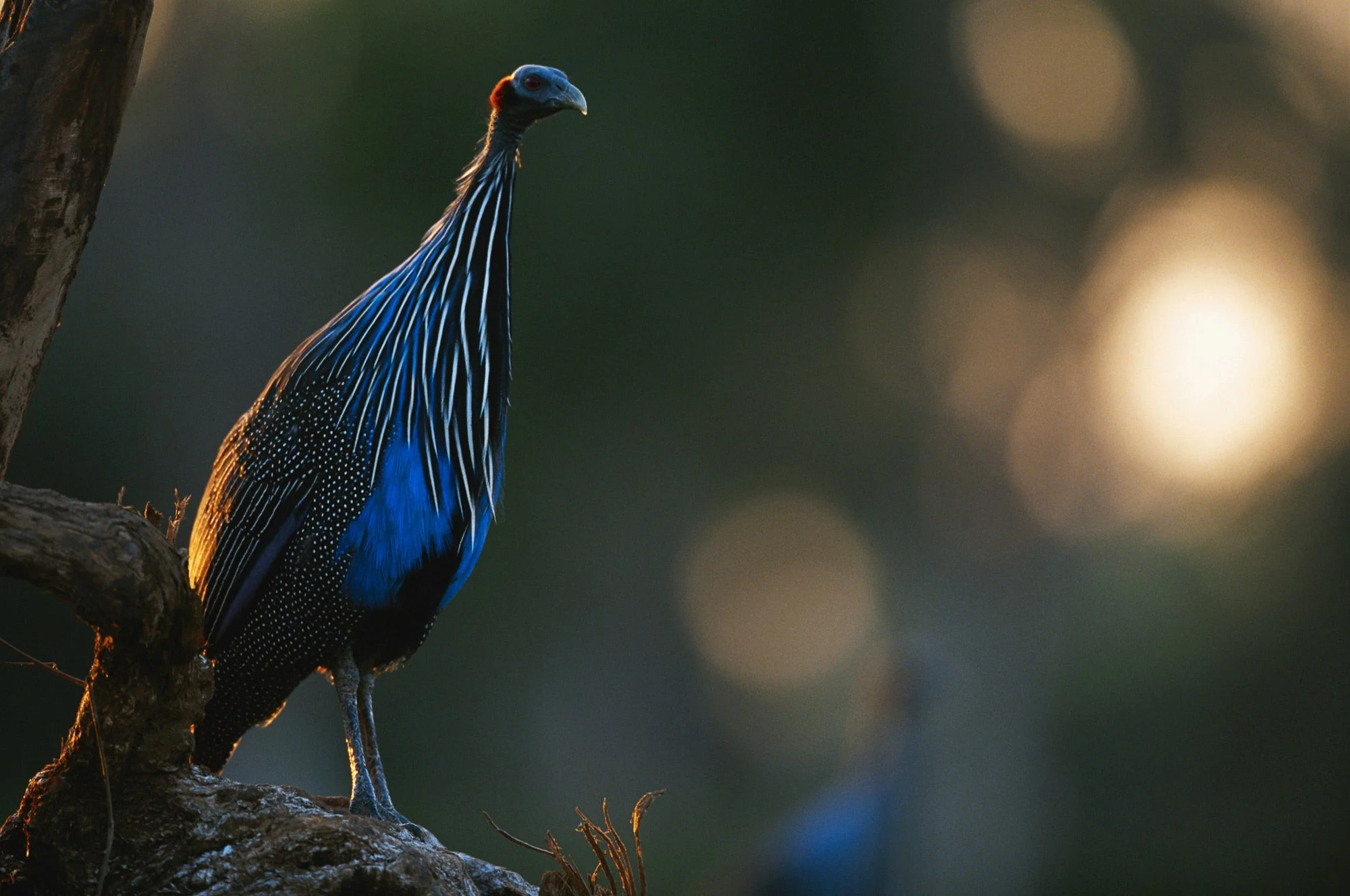
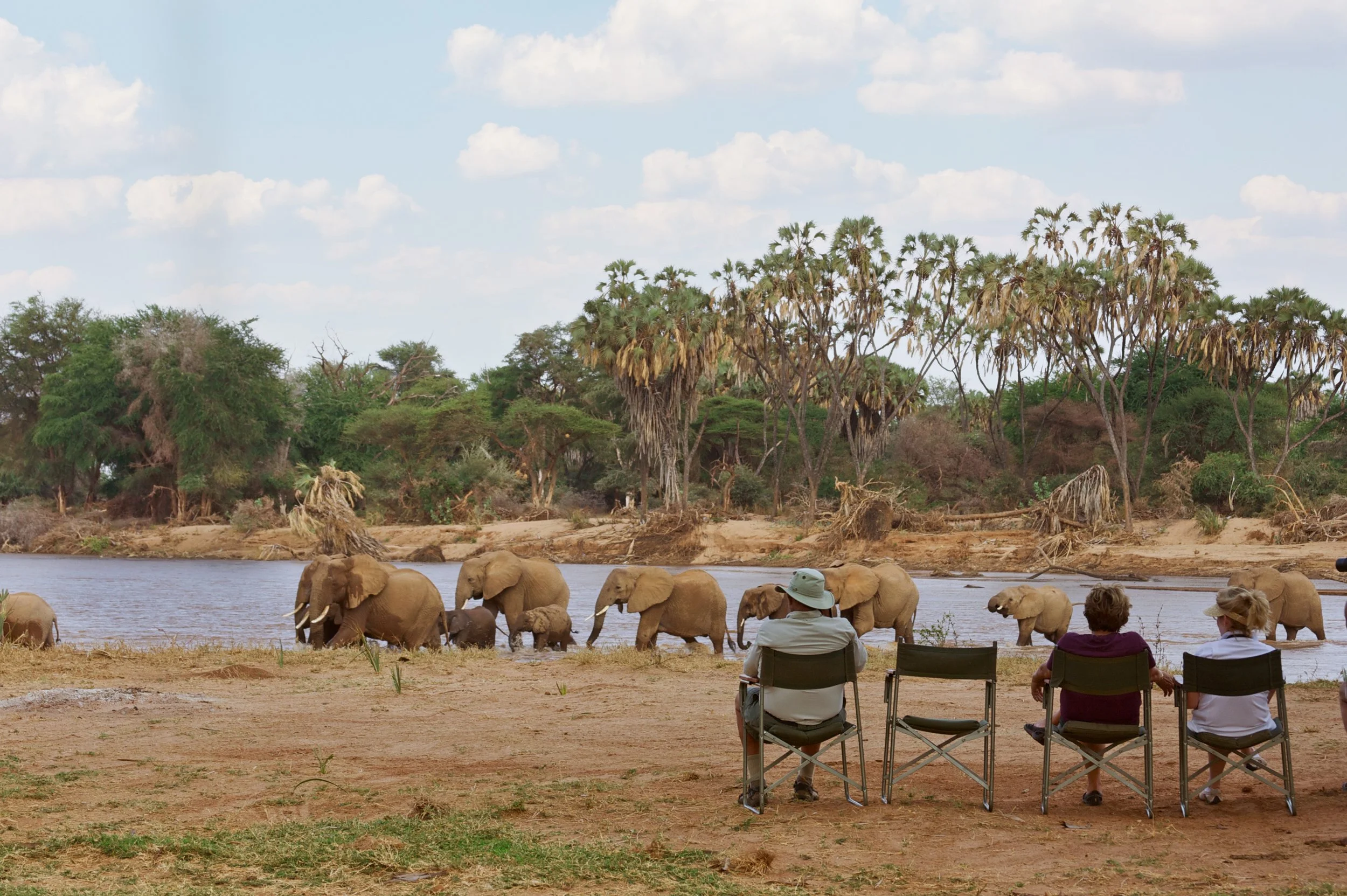
For the rest, we bought fewer than five stock photos of wildlife and landscape in the exact region, and added photos from Sarara's own library. Every image was true to the place, so none of it had to come down. Those photos are still on Sarara's website today, and still in agents' hands.
It also protected the relationship with agents. Asking every agent to delete old photos and swap in new ones is messy, and some never do. We never had to ask. The images we shared at launch are still in their circulation, and still accurate.

The line drawing of the camp that accompanied the storytelling.
THE PLAN
1. Get clear on the value proposition.
I took the operations team through a set of questions. What does this camp give guests that our others can't? What is it not? How is it different from three rival mobile camps? What will guests worry about: hot water, loos, power, Wi-Fi? Their answers became one brief for the drawing, the copy and the design.
2. Launch with what we had.
We built the web page, brochure, rate sheet, newsletter, itinerary template and social posts using the line drawing and the image selection we decided on. We added the new camp to the brochures and rate sheets of the other three camps, so agents saw it wherever they looked, and put everything in the agent portal.
3. Show the real camp once it had found its feet.
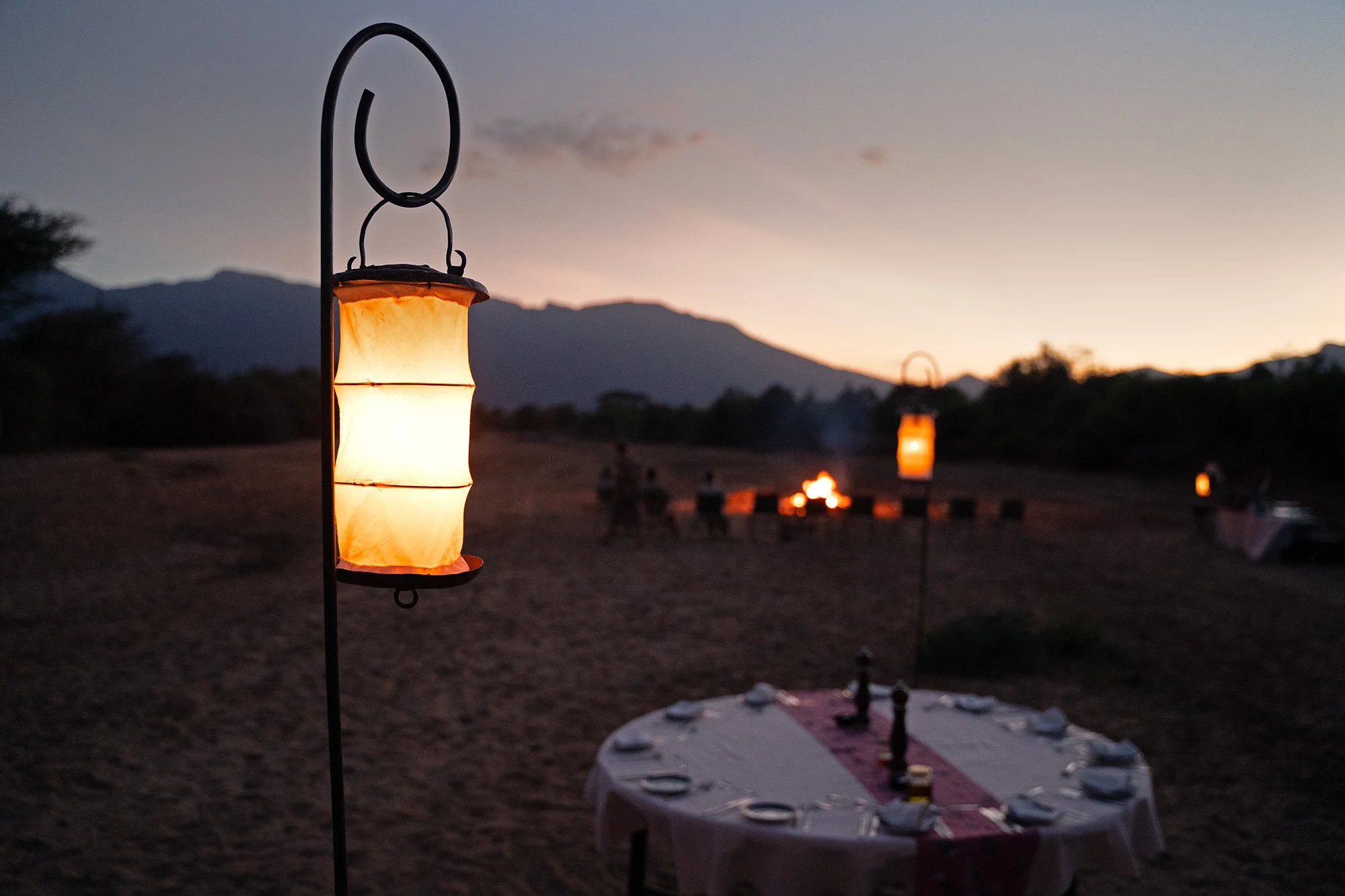
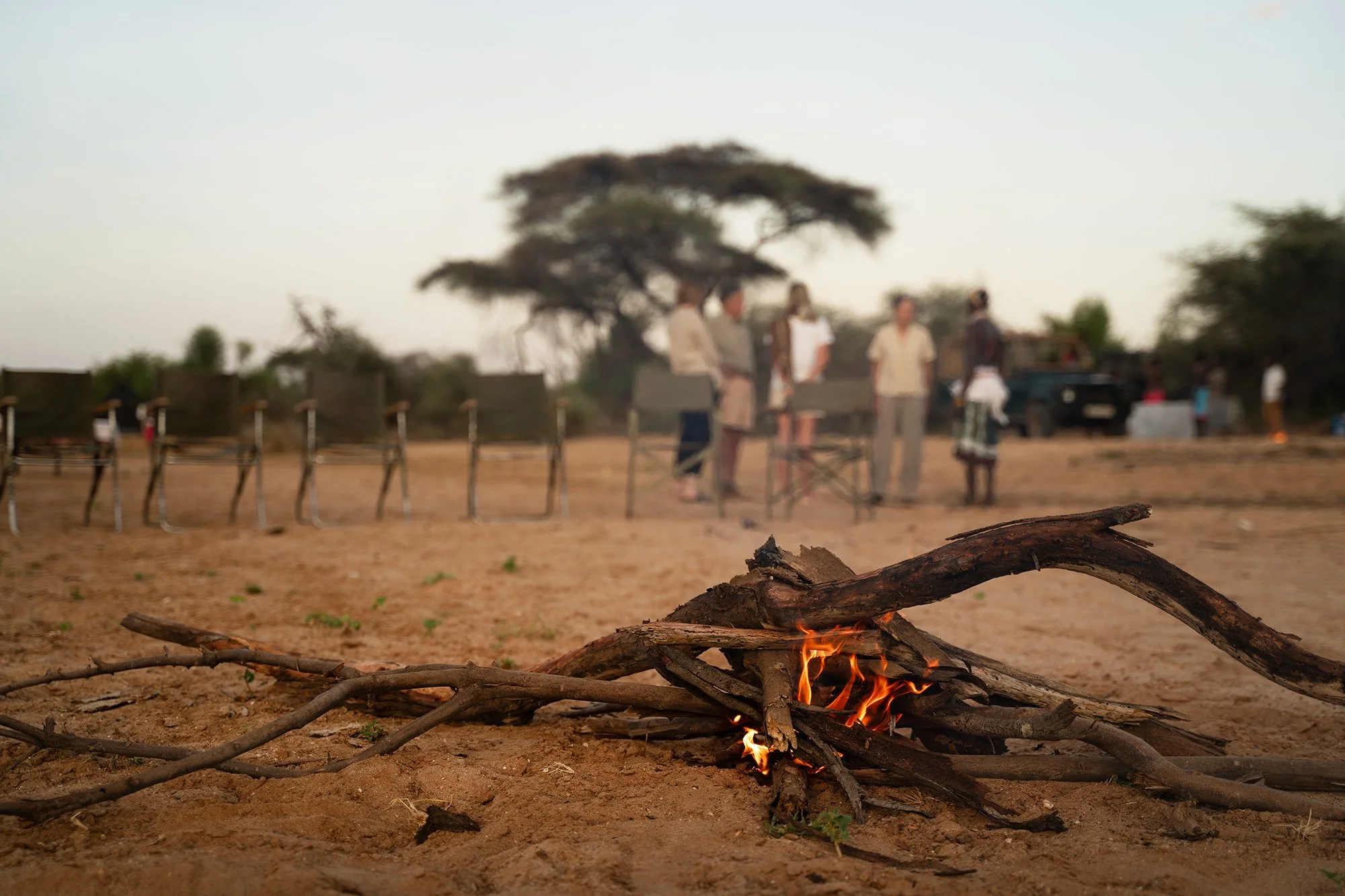
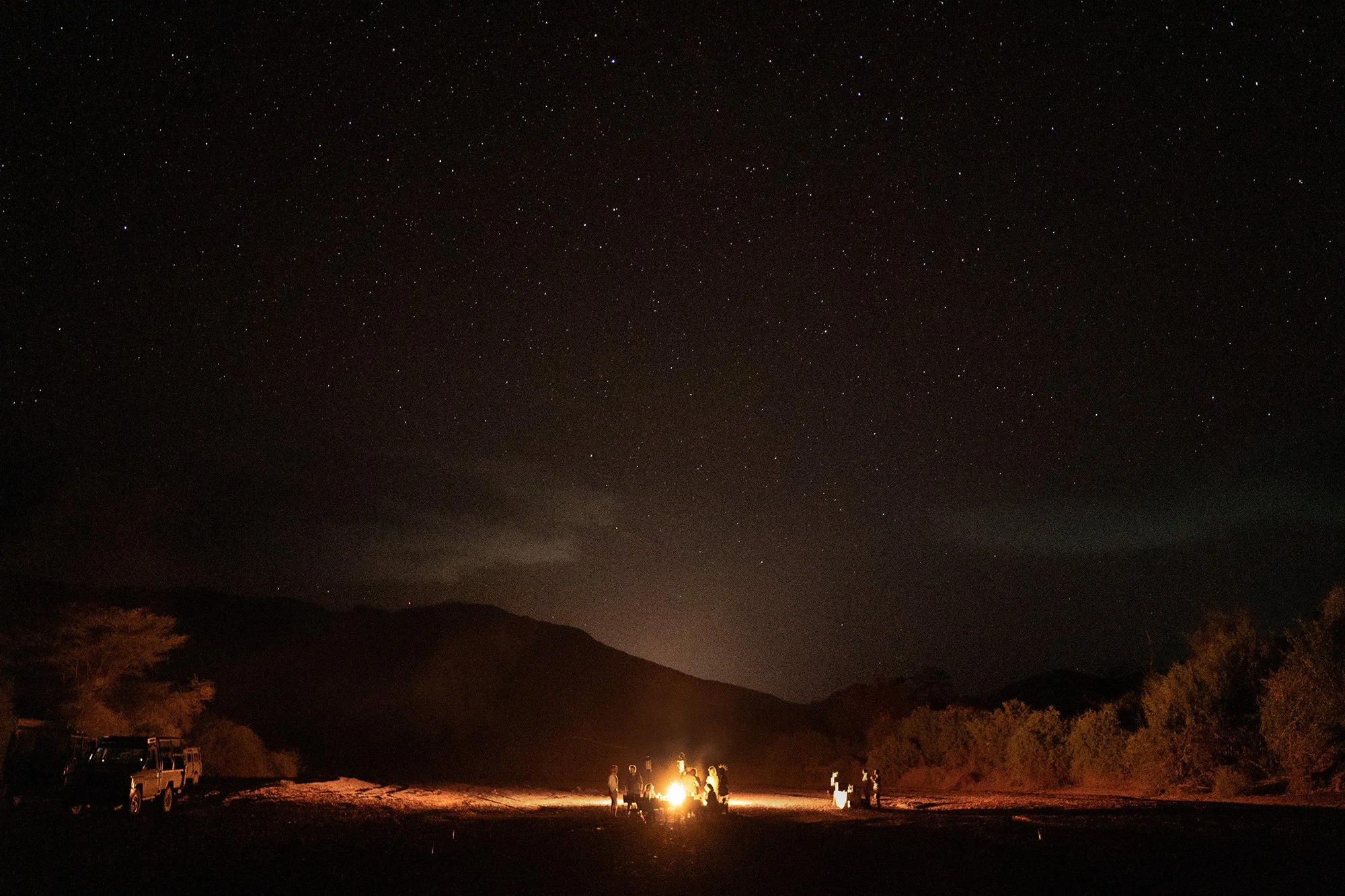
We planned to professionally shoot content as soon as tents went up for the first guests. But, we moved the shoot to January. After a few groups had stayed, we knew what worked in the tents and what didn't, so the photos showed the camp as it really runs. Then we refreshed everything and relaunched to agents. A press trip followed later.

THE RESULTS
December 2024:
Soft launch and a moderately busy first month, as expected. This was perfect for staff to train and get operations and logistics running smoothly.June to August 2025:
Near fully booked through the main season